


88jl | Exploring the Intricate World of Strategy Games
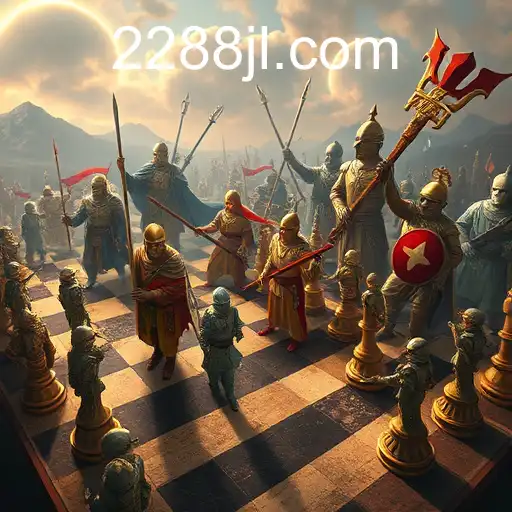
Strategy games have long captivated audiences with their unique blend of tactical challenges and mental stimulation. Often categorized as a thinking person's game genre, strategy games require players to outmaneuver their opponents with clever planning and strategic foresight.
Rooted in the traditions of ancient war games like chess and Go, modern strategy games carry this legacy forward by offering rich, immersive experiences on digital platforms. From expansive real-time strategy (RTS) games to turn-based tactical battles, players must employ critical thinking and adapt to ever-changing circumstances to achieve victory.
At the heart of the strategy genre is decision-making. Players need to evaluate multiple pathways to success, weighing the short-term benefits against long-term consequences. This decision-making process is what makes strategy games so engaging and rewarding — every choice matters and can tip the balance between success and failure.
Popular titles like "StarCraft," "Civilization," and "Age of Empires" have set the gold standard for strategy games, each offering unique mechanics and challenges. In "StarCraft," players manage resources and build armies in a sci-fi universe, while "Civilization" invites players to guide nations through centuries of history and development.
More recent games, such as "XCOM" and "Into the Breach," demonstrate the versatility of the genre. "XCOM" combines elements of turn-based strategy and tactical squad management, challenging players to combat an alien invasion, while "Into the Breach" presents players with succinct, strategic battles on a small board, emphasizing precision and foresight.
Online multiplayer gaming has also transformed the strategy landscape, providing players with the opportunity to test their skills against opponents from around the world. Competitive platforms foster vibrant communities where players exchange strategies and hone their skills.
Furthermore, strategy games foster a unique blend of creativity and technical skill, often requiring players to devise their own methods and solutions rather than following a predetermined storyline. This open-ended approach encourages a deeper level of engagement and personal investment from players.
The appeal of strategy games lies not only in their challenge but also in their ability to transport players to richly detailed worlds where every decision carries weight. Whether commanding vast armies or managing small units, the satisfaction of watching a well-crafted plan come together is unmatched.
As technology continues to advance, the potential for more complex and immersive strategy games grows. From enhancements in graphics to AI that can provide more challenging and lifelike opponents, the future of strategy games seems poised for continued expansion and innovation.
In conclusion, strategy games occupy a unique space in the gaming world where intellect and entertainment meet. For those who thrive on challenge and feel the thrill of victory through cunning and calculation, strategy games present an ever-evolving playground full of possibilities.
